
Staged, Recurring and Usage-Based Billing Made Manageable
If your business sends invoices that arrive in neat monthly instalments, or bills clients based on what they've actually used rather than a fixed price, you already know that standard invoicing software wasn't really built with you in mind. The same goes for agencies working to project milestones, SaaS companies with tiered subscriptions, or anyone charging retainers that need reconciling against actual work done.
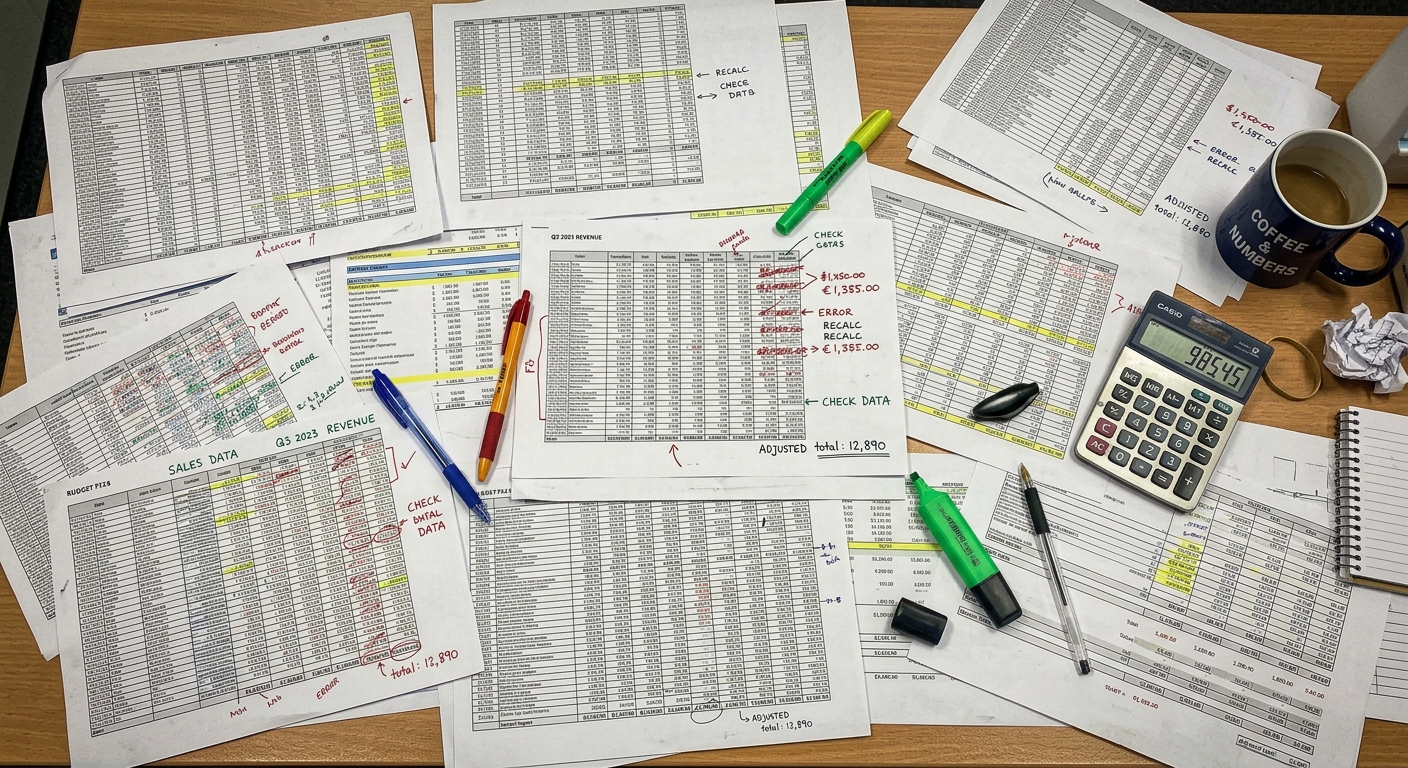
Spreadsheets can handle this sort of thing until they can't. Usually around the point where you're manually calculating pro-rata charges for the third time that week, or trying to remember which client is on which pricing tier, or working out whether that milestone payment was supposed to go out last Tuesday.
When One Invoice Simply Won't Do
Plenty of businesses operate perfectly well by sending a bill, receiving payment, and getting on with their day. But if your revenue model involves anything more elaborate—staging payments across a project timeline, charging monthly for ongoing services, or invoicing based on consumption—the administrative overhead starts to pile up rather quickly.
Software designed for these scenarios exists specifically because general-purpose accounting packages tend to assume you're selling widgets at fixed prices. They're not particularly interested in the fact that Client A pays monthly but Client B pays quarterly, or that your pricing changes based on usage thresholds, or that you need to release invoices automatically when certain project milestones are verified as complete.
Milestone Billing Without the Manual Effort
For businesses that work on projects—consultancies, development agencies, construction firms, anyone delivering work in defined stages—getting paid as you progress makes considerably more sense than waiting until everything's finished. The trouble is that milestone billing involves rather a lot of administrative choreography.
You need to track which milestones have been reached, generate the appropriate invoice, apply the correct percentage or fixed amount, and do all this without accidentally billing for the same milestone twice or forgetting one entirely. Do this manually and you're practically begging for errors, particularly when you're juggling multiple projects at different stages.
Software that handles staged billing lets you define your milestones upfront, attach the relevant amounts or percentages, and then trigger invoices when each stage completes. It keeps a record of what's been billed and what's outstanding, which turns out to be remarkably useful when a client asks where things stand or when you're trying to forecast cash flow for the next quarter.
Retainers and Recurring Charges
Monthly retainers sound straightforward until you actually run one. You're charging a regular fee for ongoing availability or a defined set of services, which is fine, except that actual usage rarely lines up perfectly with the retainer amount. Some months you'll do more work, some months less, and you need a system for tracking the difference.
Then there's the simple operational question of remembering to send the invoice at all. Miss a billing cycle because you were busy actually doing the work, and you've just given yourself an awkward conversation and a cash flow gap.
Recurring billing software automates the schedule, which is the obvious bit, but the more useful function is tracking usage against the retainer. You can see when you're approaching the included hours or deliverables, invoice for overages automatically, and generally avoid the monthly surprise of discovering you've been under-billing for three months straight.
Subscription Models and Tiered Pricing
If you're running any kind of subscription service—software, membership organisations, ongoing access to anything really—you need billing that understands the concept of recurring revenue at different price points. Customers on different tiers, annual versus monthly billing, mid-cycle upgrades or downgrades, pro-rata calculations when someone changes plan halfway through their billing period.
Managing this manually is technically possible in the same way that calculating your taxes with an abacus is technically possible. You could do it, but you probably shouldn't.
Proper subscription billing software handles the complexity automatically. It knows that when someone upgrades from your basic to premium tier on the 15th, you need to credit the unused portion of their basic subscription and charge the appropriate amount for premium. It manages renewals, sends payment reminders, and generates all the invoices without requiring you to remember who's due when.
Usage-Based Billing
Charging for what customers actually consume—API calls, storage space, hours of service, units processed—makes perfect sense from a fairness perspective. From an administrative perspective, it's rather more involved.
You need to meter usage accurately, apply the correct rates (which might be tiered, so the first thousand units cost more than the next ten thousand), generate invoices that break down exactly what's being charged, and ideally do all this automatically rather than employing someone to count things all day.
Usage-based billing systems integrate with whatever's generating the usage data, apply your pricing structure, and produce invoices that show customers precisely what they're paying for. This transparency matters, because nobody appreciates receiving a bill for £847.23 with no explanation of where that number came from.
Combinations and Complications
Real businesses rarely fit into neat categories. You might charge a monthly platform fee plus usage-based overages. Or a retainer with milestone bonuses. Or subscriptions with optional add-ons billed separately. The moment you start combining billing models, the administrative complexity multiplies alarmingly.
Software designed for complex billing scenarios can handle these combinations because it's built around the idea that invoicing isn't always a simple transaction. It can manage multiple billing types for a single customer, track different rates and schedules, and consolidate everything into coherent invoices that don't require a decoder ring to understand.
Getting Paid on Time
Automated billing also tends to improve payment times, largely because invoices actually go out when they're supposed to rather than whenever you remember to send them. Consistent billing schedules train customers to expect and prepare for invoices, and automated reminders mean you're not relying on your own memory or goodwill to chase late payments.
There's also something to be said for the professional impression created by reliable, detailed invoices that arrive like clockwork. It suggests you have your administrative affairs in order, which is generally the kind of impression you want to give clients.
The Custom Software Question
Off-the-shelf billing software handles the common scenarios reasonably well, but businesses with genuinely unusual requirements—highly specific pricing structures, complex approval workflows, integration with specialised systems—often find themselves trying to force their processes into software that wasn't quite built for their situation.
Custom billing software makes sense when your billing model is sufficiently unusual that general-purpose solutions require extensive workarounds, or when billing is so integral to your operations that having it work exactly as you need becomes a competitive advantage. It's not the right answer for everyone, but for businesses where billing complexity is a genuine operational challenge rather than a minor inconvenience, having software that handles things precisely as required tends to pay for itself fairly quickly.
We Can Help
If you're spending significant time managing invoices manually, or if your current billing setup involves elaborate spreadsheets and crossed fingers, it's probably worth looking at what software could do instead. The time saved tends to be the obvious benefit, but the reduction in errors and the improvement in cash flow often matter more.
Every business has different requirements, and pricing for custom solutions varies accordingly depending on what you actually need—these things are guides rather than fixed prescriptions.
If any of this sounds like it might help your particular situation, get in touch to talk through what's possible. Chances are there's at least one problem you're solving manually that doesn't need to be quite so manual.
What Can Custom Software Actually Do?
RiCollection Pricing and Customisation Guide
What is milestone billing and how does it work?
Milestone billing means you get paid as you complete specific stages of a project, rather than waiting until everything's finished. The software tracks which milestones you've reached, generates the correct invoice for each stage, and keeps a record of what's been billed so you don't accidentally charge twice or miss one entirely.
Can billing software handle clients who are on different payment schedules?
Yes, proper billing software is designed for exactly this situation. It can manage clients who pay monthly alongside those who pay quarterly, handle different pricing tiers, and automate invoices on different schedules without you having to remember who's due when.
When does custom billing software make more sense than off-the-shelf options?
Custom software makes sense when your billing model is unusual enough that standard solutions require extensive workarounds, or when billing is so central to your operations that having it work exactly as you need becomes a competitive advantage. It's worth considering if you're currently managing complex billing with elaborate spreadsheets and frequent manual calculations.